See prices From 32.5 EUR · Free cancellation available
Contents
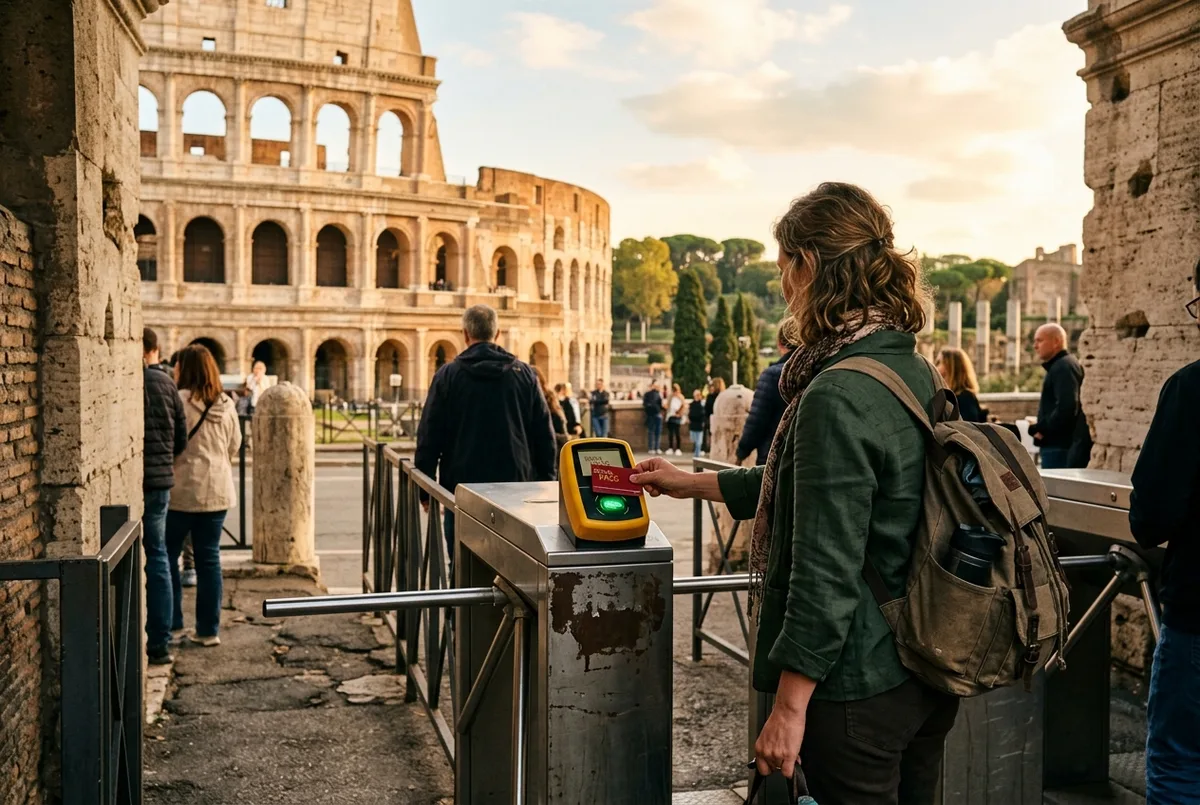
The roma pass is a prepaid Rome tourist card that bundles free entry to your first one or two paid attractions, discounted entry to a longer list of sites after that, and unlimited use of the city’s buses, trams and metro for either 48 or 72 hours. Here’s what I’d actually decide first: whether your Rome itinerary genuinely visits two or more paid attractions inside that window, because the math only works out in your favor once it does. If you’d rather compare every current vatican pass ticket option before deciding how the Vatican fits into your Rome trip, the homepage lists the full lineup I track.
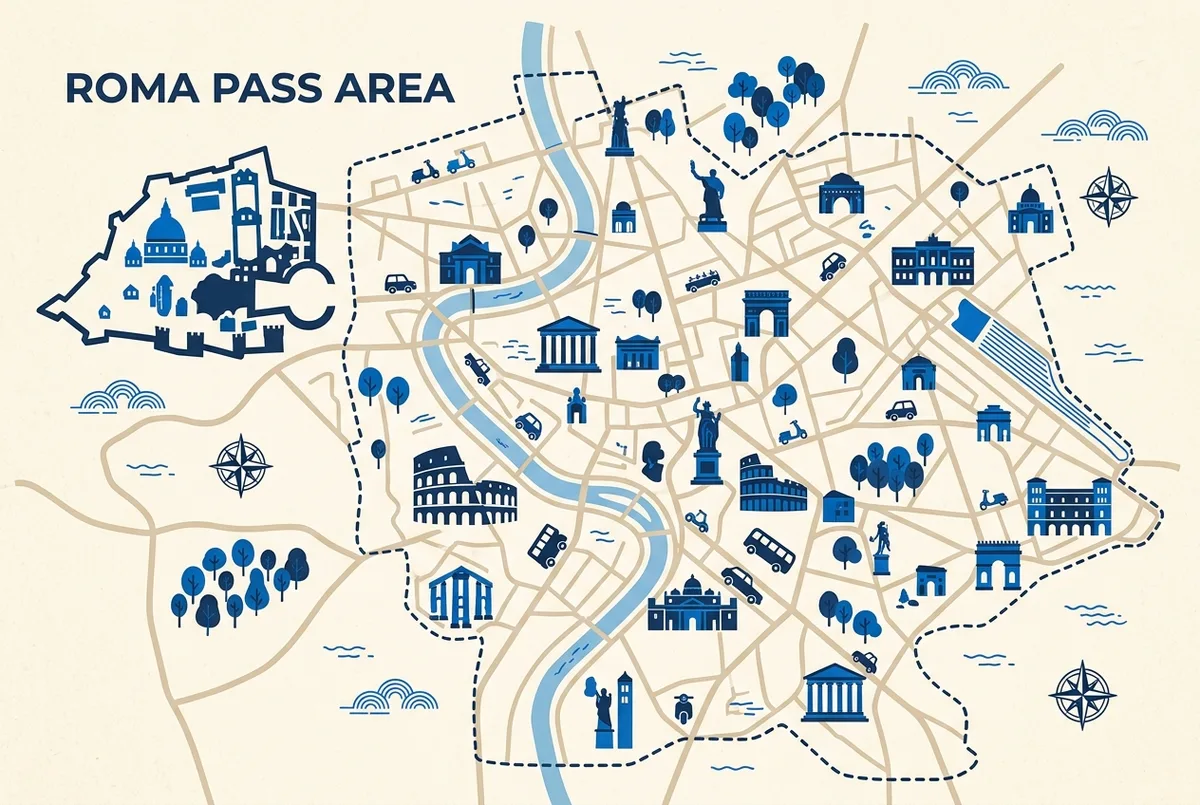
Before going further, one thing I want to flag early because it trips up more travelers than anything else in this guide: the Roma Pass does not include the Vatican Museums. The Vatican sits outside Rome’s civic attraction network entirely, as its own sovereign state, so a card built around Rome’s municipal and state-run sites simply has no jurisdiction there. If your only paid site is the Vatican, buying this card would be a mistake, and I’ll come back to that distinction in detail further down. If you’d rather see what a Vatican Museums ticket costs and includes on its own before deciding whether a broader Rome card even makes sense, comparing all eight Vatican Museums tickets and tours by price is worth doing first.
What exactly does the Roma Pass include?
It includes free entry to your first attraction (or your first two, depending on which version you buy), discounted entry to a longer list of partner sites and museums after that, and unlimited public transport for the card’s full validity window. It does not include the Vatican Museums, the Sistine Chapel, or St. Peter’s Basilica.
I would read the current included-attractions list carefully before buying, since it changes periodically as sites join or leave the partner network. The card is genuinely useful for civic Rome, the Colosseum, the Roman Forum, the Capitoline Museums and similar sites, but its usefulness stops at the Vatican’s walls.
Check prices & dates
Ready to visit?
Book your tickets in advance: popular time slots sell out.
How is the Roma Pass different from a Vatican Museums ticket?
They’re entirely separate products for entirely separate jurisdictions. The Vatican Museums, Sistine Chapel and St. Peter’s Basilica are run by Vatican City, a sovereign state with its own ticketing system, while the Roma Pass covers municipal Rome and Italian state sites within the city of Rome itself.
I would not assume owning a Roma Pass gets you anywhere near the Vatican for free. It doesn’t cover the Museums, and it doesn’t cover St. Peter’s Basilica either, though Basilica entry is free on its own regardless of any pass. If the Vatican is the centerpiece of your trip, a dedicated ticket for it matters more than a citywide card.
Is the Roma Pass worth buying?
For some travelers, genuinely yes; for others, no. It comes down to a straightforward calculation: sum the admission prices of the paid sites you’ll actually visit in 48 or 72 hours, add the value of the transport, and compare that total against the card’s flat fee. If the sum clears the fee, buy it. If it doesn’t, skip it.
My honest read: I would not buy this card as a default just because it sounds efficient. Plenty of Rome trips involve one big paid site, often the Colosseum, plus mostly free or already-ticketed experiences, and for that kind of trip the pass adds cost rather than saving it. I break the actual math down in my dedicated page on whether the Roma Pass is worth it, with a realistic two-day itinerary run through the numbers.
What sites are actually included free with the Roma Pass?
The Colosseum, including the Roman Forum and Palatine Hill on the same combined ticket, is the headline inclusion most travelers care about, since it’s also Rome’s single most expensive individual attraction ticket. Beyond that, the free-entry list and the discounted list both cover a range of civic museums and archaeological sites.
I’d plan around the Colosseum first when deciding whether the pass pays for itself, since it usually accounts for the largest single chunk of the math on its own. My page on what’s actually included with the Roma Pass lists the free versus discounted sites in full, led with the Colosseum since that’s what most buyers are asking about first.
Does the Roma Pass save money on public transport?
Yes, meaningfully, if you’re moving around the city a lot during the card’s validity window. Unlimited bus, tram and metro rides for 48 or 72 hours removes the need to buy individual transit tickets, which adds up fast across a few days of sightseeing on foot and by metro.
I would factor transport into the value calculation even for travelers who aren’t sure they’ll hit two paid attractions, since the transport allowance alone sometimes tips the math into worth-it territory for a busy, move-around-a-lot itinerary.
How much does the Roma Pass actually cost?
The card comes in two durations, a shorter 48-hour version and a longer 72-hour version, priced a bit differently, with the 72-hour version costing more but covering an extra day of transport and discounts. I’d always confirm the current price on the official Roma Pass site before buying, since these figures do shift from year to year and I don’t want to quote a number here that’s gone stale by the time you read this.
What I would actually do is work out roughly what your planned attractions cost individually first, then check the current pass price against that total. If the gap is small, I’d lean toward buying individual tickets instead, since a pass only pays for itself with real margin, not a marginal one.
Should you buy the 48-hour or 72-hour Roma Pass?
It depends entirely on how many days you’re spending doing paid sightseeing in Rome, not how many days your whole trip runs. A pass bought on day one of a week-long trip wastes most of its transport value if you’re not actively sightseeing every one of those days.
I would match the pass duration to your busiest, most attraction-heavy stretch of the trip, not the whole visit. Run a realistic two-day or three-day itinerary against the current price tiers before you commit to either length, so you’re not guessing.
Where and how do you actually buy a Roma Pass?
Through the official Roma Pass website or app, or at a limited number of physical tourist information points around the city. I would book online before your trip rather than counting on finding a physical point when you land, since queuing to buy the card somewhat defeats its own time-saving purpose.
My honest advice: buy the digital version through the official channel if that option is available for your travel dates, and avoid third-party resellers charging a premium for a product the official site sells directly. The app-based digital pass is worth checking specifically, since I’ve seen buyers land on unofficial resellers first simply by searching loosely instead of going straight to the official Roma Pass channel.
How does the Roma Pass compare to the Omnia Card?
The short version: the Omnia Card bundles Vatican Museums skip-the-line access that the plain Roma Pass does not, which is the single fact that resolves most of the confusion between these two cards. If Vatican access matters to your trip, that difference decides the comparison outright.
I would not treat these two cards as interchangeable. Check exactly what each one bundles for the Vatican specifically before you buy, rather than assuming “Rome pass” and “Vatican access” mean the same thing across every card on the market.
Who should skip the Roma Pass entirely?
Anyone whose Rome trip centers on one attraction rather than several, anyone traveling on a tight budget who’d rather pay exactly for what they use, and anyone who prefers walking to public transport and won’t touch the transit allowance at all. For these travelers, the card’s flat fee is dead weight rather than a saving.
I would also skip it if your Rome time is genuinely short, a single afternoon layover, for example, since there’s rarely enough time to visit more than one paid site anyway, and the pass needs at least two to clear its own cost. In that scenario, book the one ticket you actually need and skip the card math altogether.
Is the Roma Pass a good fit for a family trip?
It can be, but the math changes because you’re multiplying the fee across several people while some sites offer their own family or child discounts that a pass might not beat. I would run the numbers per traveler rather than assuming a family automatically saves the way a solo adult might.
My honest take: for a family of four hitting the Colosseum and two more paid sites over a couple of days, the pass usually still comes out ahead once you add in everyone’s transport savings. For a family planning mostly free parks, piazzas and a single paid site, I’d buy that one ticket directly and skip the card for the kids especially, since many attractions already discount or waive entry for younger children regardless of any pass.
Does the Roma Pass replace a regular public transport ticket?
Yes, for its validity window. You don’t need to buy separate bus, tram or metro tickets while the pass is active, which is one less thing to manage while you’re focused on sightseeing rather than working out the local ticket machine.
I would still keep a backup understanding of how single tickets work for the days before or after your pass activates, though, since Rome’s transit ticketing outside the pass window works differently and I wouldn’t want a traveler assuming the card covers days it doesn’t.
What if the included attractions list has changed since you last checked?
It happens more often than travelers expect. I would treat any list I’m reading, including this one, as a starting point rather than gospel, and check the current official list immediately before buying, since sites do rotate in and out of the partner network from year to year.
My honest advice here is simple: don’t buy the pass based on last year’s inclusion list, whether from a blog, a forum thread, or a friend’s trip report. Confirm today’s list against today’s itinerary, because the whole value calculation depends on it being accurate for your specific dates.
What if your trip is Vatican-focused rather than Rome-wide?
Then I would skip the Roma Pass entirely and book a dedicated Vatican Museums ticket instead. A citywide civic card doesn’t touch the one attraction you actually came for, and paying for transport and museum discounts you won’t use just to get a card that ignores your main destination doesn’t make sense.
My honest take: if the Vatican Museums, Sistine Chapel and St. Peter’s Basilica are the anchor of your Rome days, start with a Vatican Museums ticket rather than a Rome tourist card, and only add the Roma Pass on top if your itinerary genuinely stretches into civic Rome sites as well. That single-attraction math is exactly why I’d point a Vatican-first traveler away from this card entirely.
What’s the most common Roma Pass mistake travelers make?
Buying it out of habit rather than arithmetic. I see this constantly: a traveler buys the card because it “sounds efficient” for a city trip, without ever adding up what their specific itinerary would cost site by site. Sometimes that works out fine. Often it doesn’t, especially on a trip built around one or two must-see sites rather than a broad civic museum crawl.
The second mistake I’d flag is activating the pass on the wrong day. The clock starts the moment you validate it, not when you buy it, so activating a 48-hour pass the evening before a slow, mostly-resting day burns through a chunk of its value before your actual sightseeing even starts. I would activate it first thing on the morning of your busiest planned day, not the moment you land at the airport.
What I’d actually book
If your Rome days include the Colosseum plus at least one more paid site, and you’re moving around the city a fair amount, I’d buy the Roma Pass and match its duration to your busiest sightseeing stretch. If your trip is mostly the Vatican with civic Rome as a side note, I’d skip the pass and book the Vatican ticket directly instead, since that’s where the real value sits for that kind of itinerary. Either way, run the actual numbers before you buy anything: sum what your planned attractions cost individually, compare that against the current pass price, and let the math decide rather than the convenience of “one card for everything.”
Frequently asked questions
Does the Roma Pass include the Vatican Museums?
No. The Vatican Museums, Sistine Chapel and St. Peter’s Basilica sit outside Rome’s civic attraction network entirely, since Vatican City is its own sovereign state. You’ll need a separate ticket for the Vatican regardless of which Roma Pass you buy.
Is the Roma Pass worth it for a short trip?
Sometimes, if your short trip still includes two or more paid civic attractions plus regular transport use. For a one-attraction trip, I’d usually buy that single ticket directly instead and skip the card.
Can I buy the Roma Pass on arrival in Rome?
Yes, at select tourist information points, though I’d book it online in advance where possible to avoid queuing on arrival, which undercuts some of the time the card is meant to save you.
Does the Roma Pass work for children?
Policies for younger travelers vary and are worth checking on the official Roma Pass site before you buy, since a card bought for the wrong age bracket isn’t something I’d want to sort out after the fact.
Is there a single card that covers both Rome and the Vatican?
Not exactly. The Omnia Card is the closest product to that, since it bundles Vatican Museums access that the plain Roma Pass leaves out, but I’d still confirm current inclusions before assuming any single card covers everything you want to see.
Do I need to book timed entries separately even with the Roma Pass?
For some sites, yes. The pass gets you free or discounted entry, but a handful of the busiest attractions still require a reservation slot on top of that, especially the Colosseum during peak season. I would book the timed slot as soon as you know your dates rather than assuming the pass alone guarantees walk-up access.